

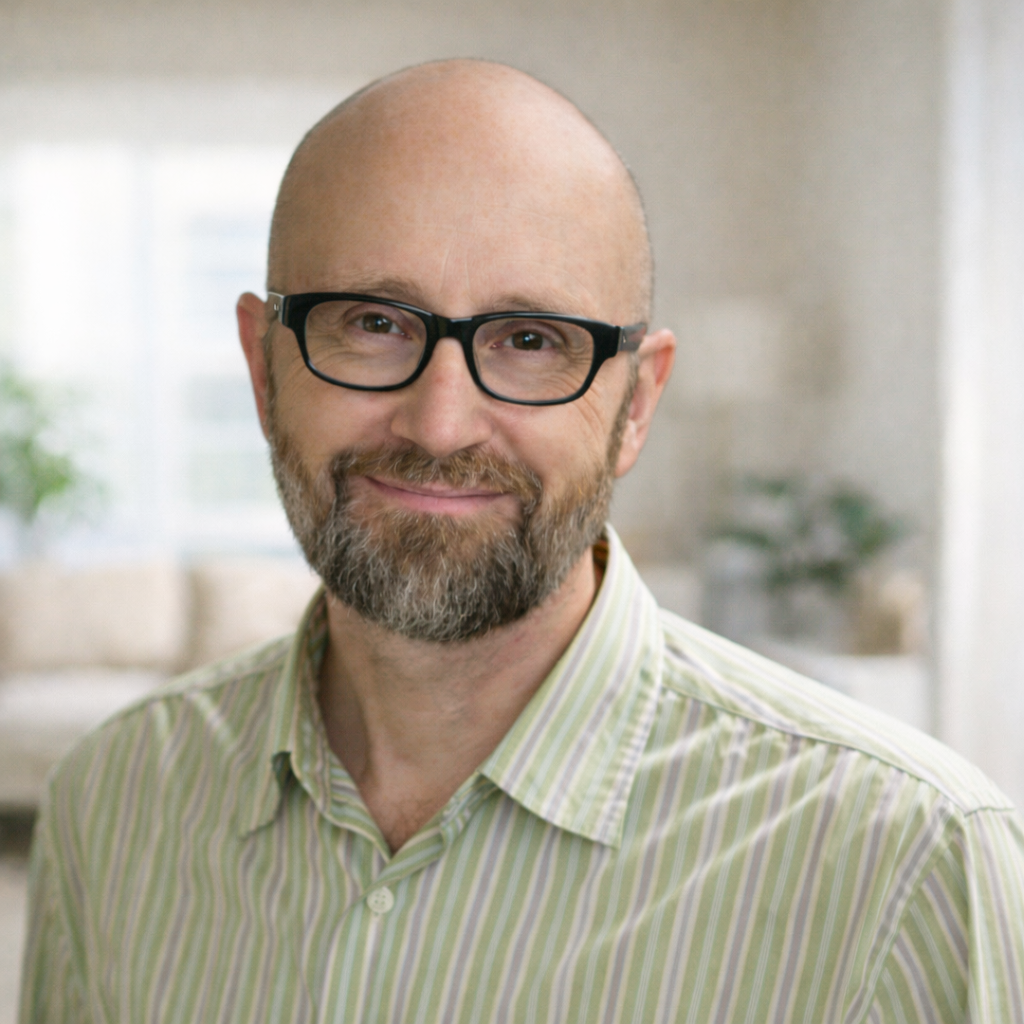
Hi, I’m DURWIN FOSTER.
Durwin Foster, MA, RCC, CCC is a Registered Clinical Counsellor in British Columbia and a nationally certified counsellor through the Canadian Counselling and Psychotherapy Association. He is also a Certified Integral Therapist with more than 20 years of professional education, clinical experience, and advanced training in counselling psychology, mindfulness, and integrative therapeutic approaches.
Durwin works with individuals and couples who are navigating emotional intensity, relationship challenges, and life transitions, supporting them in restoring a sense of clarity, connection, and wholeness. At the heart of his work is the understanding that human beings are naturally oriented toward wholeness—and that distress often arises when this innate capacity is disrupted, obscured, or unrecognized.
An Integrative, Whole-Person Approach
Durwin’s therapeutic approach is grounded in integral psychology, systems thinking, and mindfulness-based practices. He draws on a wide range of evidence-informed modalities, integrating emotional, relational, somatic, cognitive, behavioral and developmental perspectives. This allows him to tailor therapy to the unique psychological, biological, cultural, and relational context of each client.
In addition to working with difficulty and suffering, Durwin also helps clients recognize moments when they may already be fundamentally whole, even if that wholeness is temporarily hidden. This orientation is informed by approaches such as effortless mindfulness—sometimes referred to as “the practice of no problem”—which emphasizes direct recognition of awareness and well-being rather than striving or self-correction. When appropriate, Durwin also collaborates with and refers clients to experienced spiritual teachers.
Commitment to Depth, Rigor, and Ongoing Development
Durwin holds a Master of Arts in Counselling Psychology and has completed doctoral-level coursework and clinical supervision training. His research has focused on mindfulness and contemplative practices, and he is a recipient of the Mind & Life Institute’s Varela Memorial Award, recognizing excellence in contemplative science. He was also been invited to participate in a conference with His Holiness the Dalai Lama on the relationship between contemplative practice and health.
He maintains a strong commitment to ongoing professional development and deliberate practice. His advanced training includes:
Process-Based Therapy, integrating 25 evidence-based change processes
Emotionally Focused Therapy (EFT) for couples
The Ideal Parent Protocol for attachment repair
Full-Spectrum Mindfulness, integrating mindfulness with developmental psychology
These approaches are woven into a counselling style that is sensitive to cultural, gender, neurodiversity, and class identities, and that respects the lived experience of each client.
Emotional Regulation, Anger, and Couples Work
Durwin has extensive experience helping clients work skillfully with intense emotional states, including anger, sadness, shame, fear, envy, and jealousy. He has personally trained in the Emotional Transformation method of Tibetan Buddhism, and has spent the past eight years specializing in anger management—supporting clients in transforming anger into clarity, strength, and constructive action rather than suppression or harm.
He also brings many years of experience in couples counselling, integrating:
The skill-building orientation of the Gottman Method
Nonviolent Communication (NVC)
The attachment-based framework of Emotionally Focused Therapy
This integrated approach helps couples strengthen emotional safety, deepen understanding, and restore connection.
Your Whole Self Is Welcome
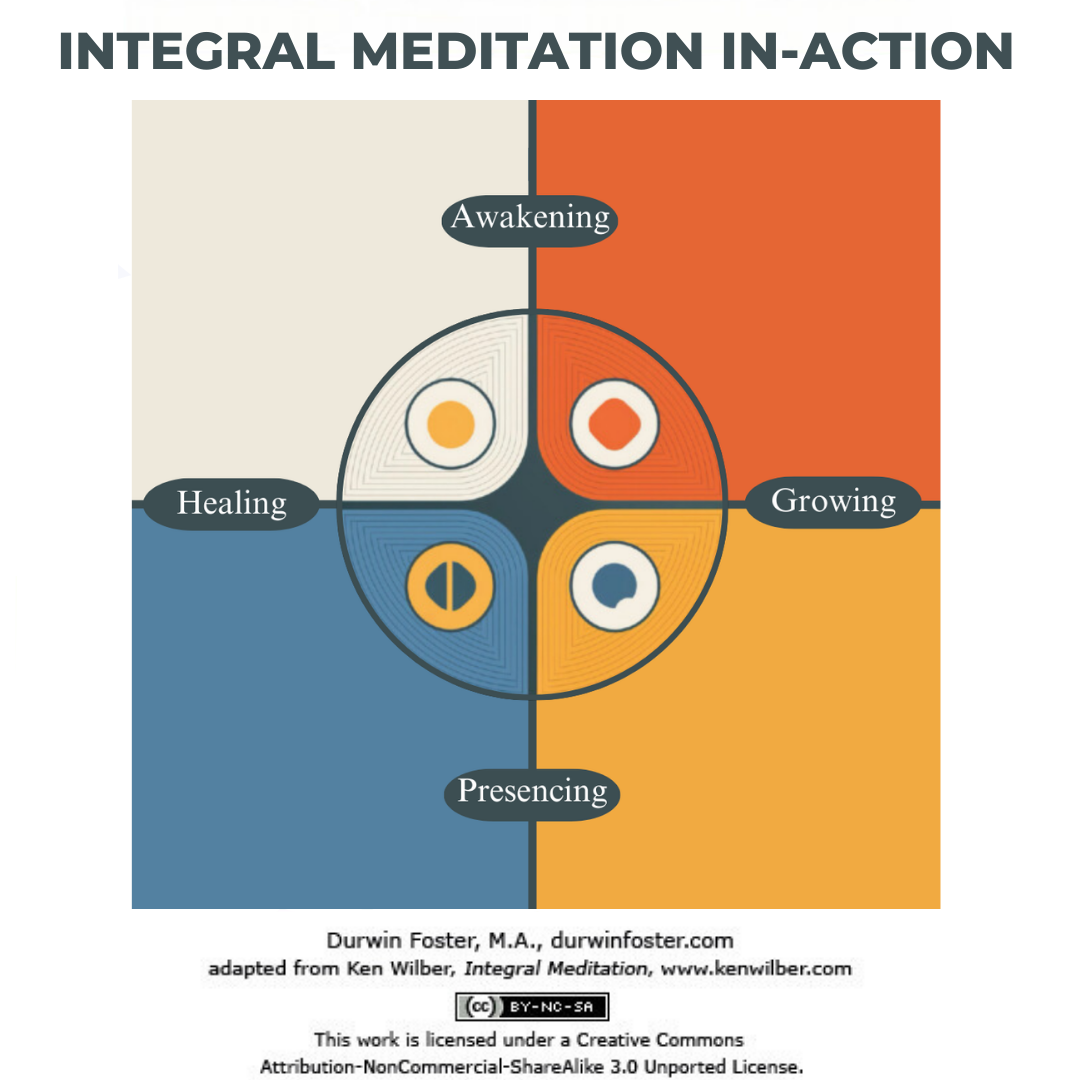
When I sit with you, I’m not just looking for what’s wrong. I’m listening for the deeper movement toward wholeness that is already present in your life. I see growth as unfolding across different dimensions: healing what has been wounded, developing emotional and relational capacity, awakening to a deeper awareness, and learning to stay present to what life is asking of your mind, your body, your relationships, and your work. You don’t have to understand any of that intellectually. What matters is that wherever you find yourself, overwhelmed, disconnected, reactive, or searching, there is a way forward.
Some people come to me in the midst of relationship strain, anger, grief, or life transition. Others feel a quiet sense that something more is possible. Together, we discover what part of you is asking for attention. Sometimes that means repairing attachment wounds or transforming intense emotions into clarity and strength. Sometimes it means strengthening your capacity for connection. And sometimes it means recognizing that beneath the noise, there is already a fundamental steadiness and well-being available to you.
My role is to offer a grounded, respectful space where your whole experience is welcome, emotional, relational, cultural, developmental, and spiritual. From that space, integration begins naturally. Clarity returns. Connection deepens. What once felt fragmented can begin to feel coherent and alive again.